
Valles Caldera and statewide planning

Snowshoeing in New Mexico

Plan a first New Mexico snowshoe outing at Valles Caldera, decide whether to rent or buy, and compare snowshoes, poles and gaiters before winter.

Season
Valles Caldera describes a typical mid-December to mid-March winter season. Actual snow and access vary.
Where it applies
Valles Caldera and statewide planning

For a first snowshoe outing, choose the place and confirm snow before buying equipment. This guide uses Valles Caldera as a practical starting point, then explains how to decide whether a personal kit is worth owning.

Pair it with our New Mexico winter guide for the wider trip and the ski-area directory if your group wants a mix of winter activities.

Start with Valles Caldera

The National Park Service’s winter activities page is the source to check for current planning. It describes snowshoeing on most park trails and a typical winter season from mid-December through mid-March.

The park lists limited snowshoe and pole rentals at the Valle Grande Bookstore. Confirm current availability and hours; a rental listing does not guarantee equipment on your chosen day. Ask staff about a short route suited to your group and the day’s conditions.

Winter vehicle access is limited, and grooming is not guaranteed. Cell service is limited, streams do not have bridges, and wildlife closures can affect routes. Read the park’s current guidance before arriving and follow staff advice on the day.

Rent, borrow or buy?

Your situationUseful starting pointWhat to confirm
First outing or uncertain snowRent or borrowOpening hours, availability, fit and return time
A few outings each winterCompare rental cost with ownershipStorage, transport and whether your needs are consistent
Regular trips on suitable trailsConsider your own snowshoesSupported load including pack, boot fit and terrain limits
Steep or unfamiliar winter terrainSeek qualified local guidance firstRoute hazards and required skills; a basic kit is not enough

This is a decision framework, not a claim that any product fits every New Mexico trail. Snow conditions and a person’s total carried load affect the equipment choice.

What belongs in the kit?

Snowshoes are the main purchase to assess. Try the bindings with the boots you intend to wear, including while wearing gloves. Check the manufacturer’s size chart rather than choosing by shoe size alone.

Poles are an optional aid. Check adjustability, locking instructions and whether the exact package includes the baskets you want. Gaiters can help keep snow out of boots; check calf fit and boot compatibility before ordering.

The product cards below explain the role of each selected item. We have not field-tested these products. Do not treat a product list as clearance to enter steep slopes, frozen water or unfamiliar backcountry terrain.

A simple snowshoe kit to compare

These researched options cover flotation, support and keeping snow out of boots. Renting is a useful first step. Check each manufacturer's current sizing, total supported load and intended terrain.

As an Amazon Associate, we earn from qualifying purchases.

MSR Evo Trail Snowshoes, 22 in

Who it’s for First snowshoes for forest trails in the Sandias, the Jemez, or around Enchanted Forest near Red River.

Why we picked it MSR lists steel crampons and traction rails for grip, and a binding that fits nearly any footwear, from light hikers to snowboard boots.

Pros

  • One-piece plastic deck with steel traction rails handles rocky New Mexico snowpack
  • Bindings adjust easily with gloves on
  • Add-on flotation tails extend them for deeper snow

Know before you buy

  • No heel lifter, so they are happiest on flat to rolling terrain.
  • The 22 inch frame suits packed trails; deep-powder days want the add-on tails.

On the trip Most northern New Mexico trailheads sit above 8,000 feet. Start shorter than you would at home and drink more water than feels necessary.
TheFitLife Telescopic Trekking Poles

Who it’s for Snowshoers who want adjustable aluminum poles with snow baskets and a compact three-section design.

Why we picked it The manufacturer includes snow baskets in the accessory kit and describes the poles for rough trails and cold weather.

Pros

  • Aluminum alloy construction with each pole weighing about 9.92 ounces
  • Twist-lock adjustment extends to 130 cm and collapses to 65 cm
  • Accessory kit includes rubber tips, walking caps, mud baskets, and snow baskets
  • Non-slip ergonomic rubber grips

Know before you buy

  • Skip them if you already own trekking poles, or if you rent poles with snowshoes at Valles Caldera.

On the trip Fit the snow baskets before leaving a New Mexico winter trailhead so the poles are ready for soft or broken snow.

Unigear Leg Gaiters

Who it’s for Keeping snow, mud, sand, and trail debris out of boots while snowshoeing or cross-country skiing.

Why we picked it Unigear names snowshoeing among the intended uses and combines a water-resistant lower section with a breathable TASLON upper.

Pros

  • 1000D water-resistant construction for cold, snow, and wet conditions
  • Adjustable top strap with buckle
  • Thickened TPU instep strap resists cold and abrasion
  • Designed to keep snow, mud, sand, and debris out of boots

Know before you buy

  • Skip them if your snow pants already cover your boot tops.

On the trip Gaiters are most relevant on New Mexico routes with loose snow or wet trail edges where snow can enter over a boot cuff. Pick your size on Amazon.

Check the drive and the return

Use NMRoads and the National Weather Service before departure. The weather service’s winter preparation guidance includes planning for road conditions and carrying supplies if travel is necessary.

NMDOT’s winter driving guidance calls for items such as a flashlight, blankets, water and needed medication. Leave time for changing road conditions and the drive home. If access or the forecast is uncertain, choose another day.

Our official New Mexico resources keep the road, forecast and park links together.

Keep the first outing simple

Set a turnaround time before leaving, choose a route that fits the whole group, and check current park instructions. Save the information you need before reaching an area with limited service. Avoid making an ambitious distance goal the measure of a successful first trip. For a resort setting, Angel Fire’s winter activities include snowshoeing at the Nordic Center.

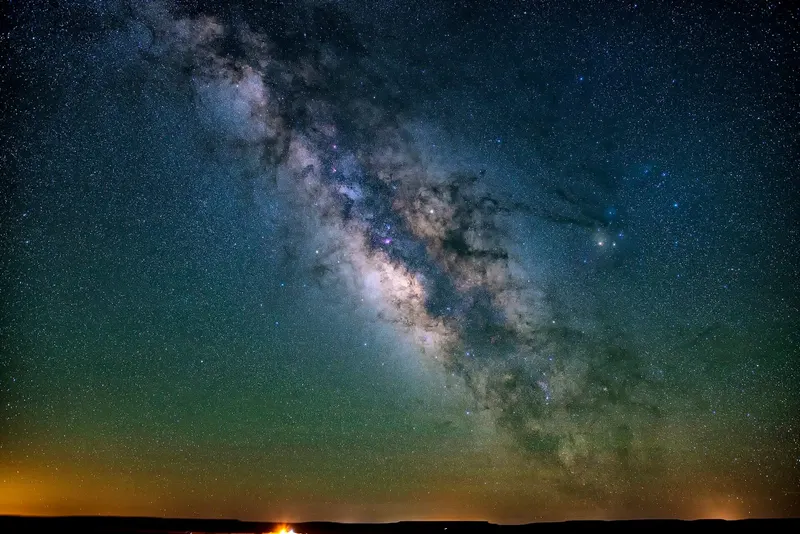
For other seasonal packing decisions, return to New Mexico trip gear. A winter evening can also suit stargazing, provided the observing site’s access and weather allow it.

Questions before you go

Can I rent snowshoes at Valles Caldera?

The National Park Service lists a limited supply of snowshoes and poles for rent at the Valle Grande Bookstore. Confirm availability and current operations before making the drive.

Is snow guaranteed in New Mexico in winter?

No. Valles Caldera describes mid-December through mid-March as a typical winter recreation season, but snow and access depend on the weather. Check current conditions before committing to an outing.

Sources & photo credits

Official visitor information: Valles Caldera winter activities, NMRoads, National Weather Service winter preparation, New Mexico Department of Transportation winter driving guidance.

Photography via Wikimedia Commons. Images resized and cropped for layout; individual credits and reuse licenses are listed below.

View image sources & credits

Guide details checked . Confirm current conditions before traveling.